The Role of Digital Lorry Receipts in Modern Transport
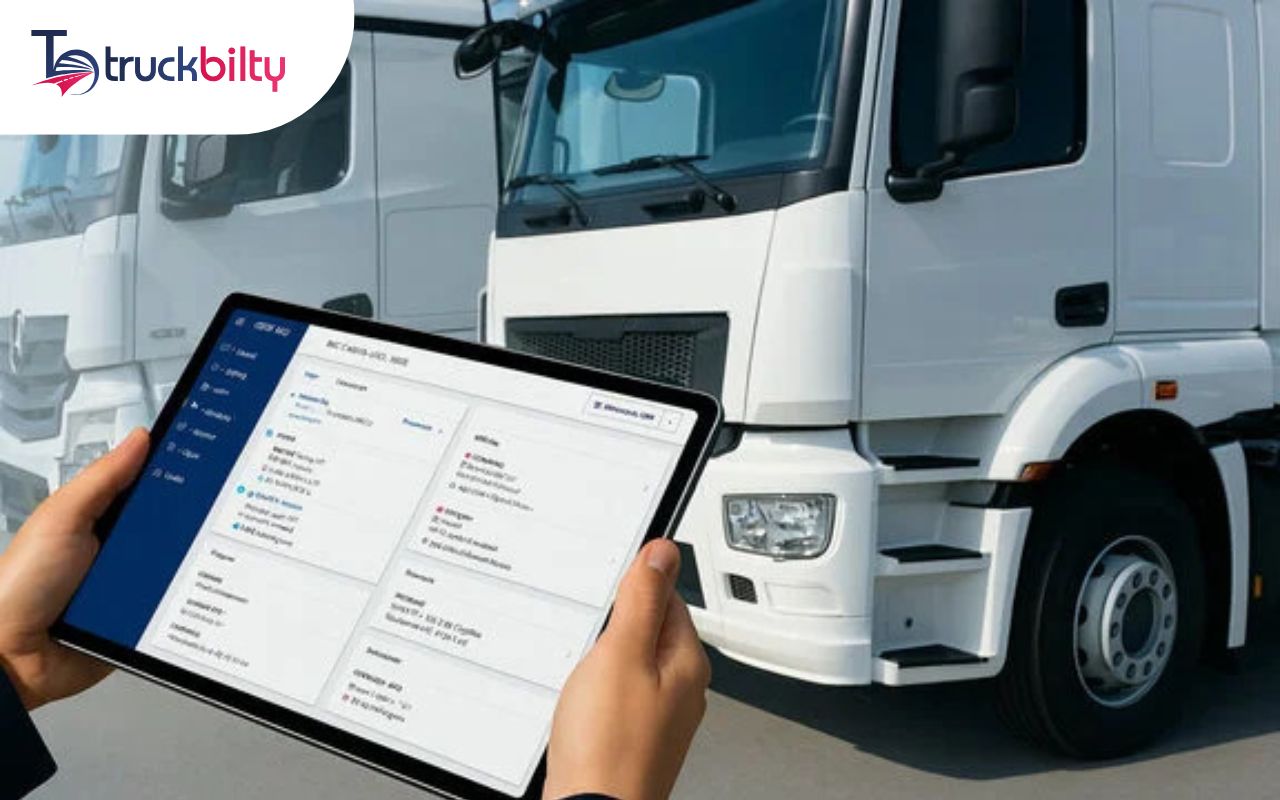
Moving from paper to digital lorry receipts (LR) streamlines operations, reduces errors, and speeds up payment processes in the logistics sector.
The Digital Transformation of Documentation
Lorry receipts have been the backbone of freight documentation for decades, serving as proof of goods receipt, contract of carriage, and financial record. However, paper-based systems create numerous challenges including lost documents, manual data entry errors, storage costs, and slow processing times. The shift to digital lorry receipts represents a fundamental transformation in how the transportation industry manages documentation and information flow. Digital LRs leverage mobile technology, cloud storage, and electronic signatures to create seamless workflows that eliminate paper while improving accuracy, speed, and compliance. This transformation aligns with broader industry digitization trends and regulatory initiatives that recognize the efficiency gains from electronic documentation.
Going Paperless
Digital LRs eliminate the risk of lost documents and allow for instant sharing with all stakeholders. In traditional paper-based systems, a single lost lorry receipt can create cascading problems: delayed payments, difficulty proving delivery, and disputes between parties. Physical documents can be damaged, misplaced during handoffs, or delayed in transit, creating gaps in the information chain. Digital systems eliminate these risks by storing documents securely in the cloud with automatic backups and version control. Multiple parties can access the same document simultaneously, eliminating the need to physically courier papers between locations. Electronic signatures capture proof of acceptance at the point of delivery, complete with timestamp and GPS coordinates for indisputable verification. The environmental benefits are substantial, with large fleets eliminating tons of paper annually while reducing storage space requirements. Digital archiving makes historical records instantly searchable and retrievable, supporting audit processes and dispute resolution. Document templates ensure consistency and completeness, reducing errors from manual form completion.
Accelerating Cash Flow
With digital proof of delivery, invoicing becomes instantaneous, leading to faster payment cycles for transporters. In traditional workflows, lorry receipts must physically travel from delivery location to accounts department, then be manually entered into billing systems before invoices can be generated. This process can take days or weeks, delaying payment and impacting cash flow. Digital systems trigger invoice generation automatically upon delivery confirmation, reducing the invoice cycle from weeks to hours. Electronic workflows enable automated matching of delivery documentation with purchase orders and contracts, streamlining the accounts payable process for customers. Real-time visibility into delivery status allows transporters to proactively manage collections and identify payment delays early. Integration with accounting software eliminates duplicate data entry and reduces errors that can delay payment. Many companies report 30-50% reduction in days sales outstanding after implementing digital documentation systems, significantly improving working capital management.
Regulatory Compliance and Audit Trail
Digital lorry receipts create comprehensive audit trails that simplify compliance with tax regulations and industry standards. Systems can automatically include all required information fields, reducing the risk of incomplete documentation that causes regulatory issues. Electronic timestamps and GPS data provide irrefutable proof of pickup and delivery times, useful for compliance with hours of service regulations and customer service agreements. Digital archives make it easy to produce historical records during audits, without searching through boxes of paper files. Many jurisdictions are implementing electronic invoicing mandates that require businesses to submit invoices in standardized digital formats; digital LR systems can be configured to meet these requirements automatically. The system can enforce business rules like requiring supervisor approval for shipments above certain values or flagging discrepancies between loaded and delivered quantities. This built-in control framework reduces compliance risks and provides management with better oversight of operations.
Integration with Business Systems
The true power of digital lorry receipts emerges when they integrate with other business systems to create end-to-end visibility and automation. Integration with transportation management systems (TMS) enables automatic creation of LRs based on booking information, prepopulating fields like origin, destination, and commodity details. GPS tracking systems can automatically update delivery status, eliminating manual status entry. Integration with customer relationship management (CRM) systems provides sales teams with real-time visibility into order fulfillment, improving customer communication. Financial system integration enables automatic recognition of revenue upon delivery confirmation, improving accounting accuracy and timeliness. Analytics platforms can aggregate data from thousands of digital LRs to identify trends, measure performance against key metrics, and support strategic decision-making. These integrations transform LRs from simple documents into valuable data sources that drive business intelligence.
Best Practices for Implementation
Successful transition to digital lorry receipts requires careful planning and change management. Start with a pilot program involving a subset of vehicles and routes to identify issues before full rollout. Provide comprehensive training for drivers, especially those less comfortable with technology, and create simple reference guides for common tasks. Ensure mobile devices have adequate battery life and cellular connectivity, with offline capabilities for areas with poor coverage. Establish clear processes for handling exceptions like customer refusal to sign electronically or system outages. Engage customers early in the transition, explaining benefits and addressing concerns about digital acceptance. Monitor adoption metrics and gather feedback to continuously improve the system. Consider phasing implementation by geography, customer segment, or shipment type to manage complexity. Partner with experienced technology providers who understand transportation industry requirements and can provide ongoing support. The investment in proper implementation pays dividends through higher adoption rates and faster realization of benefits.