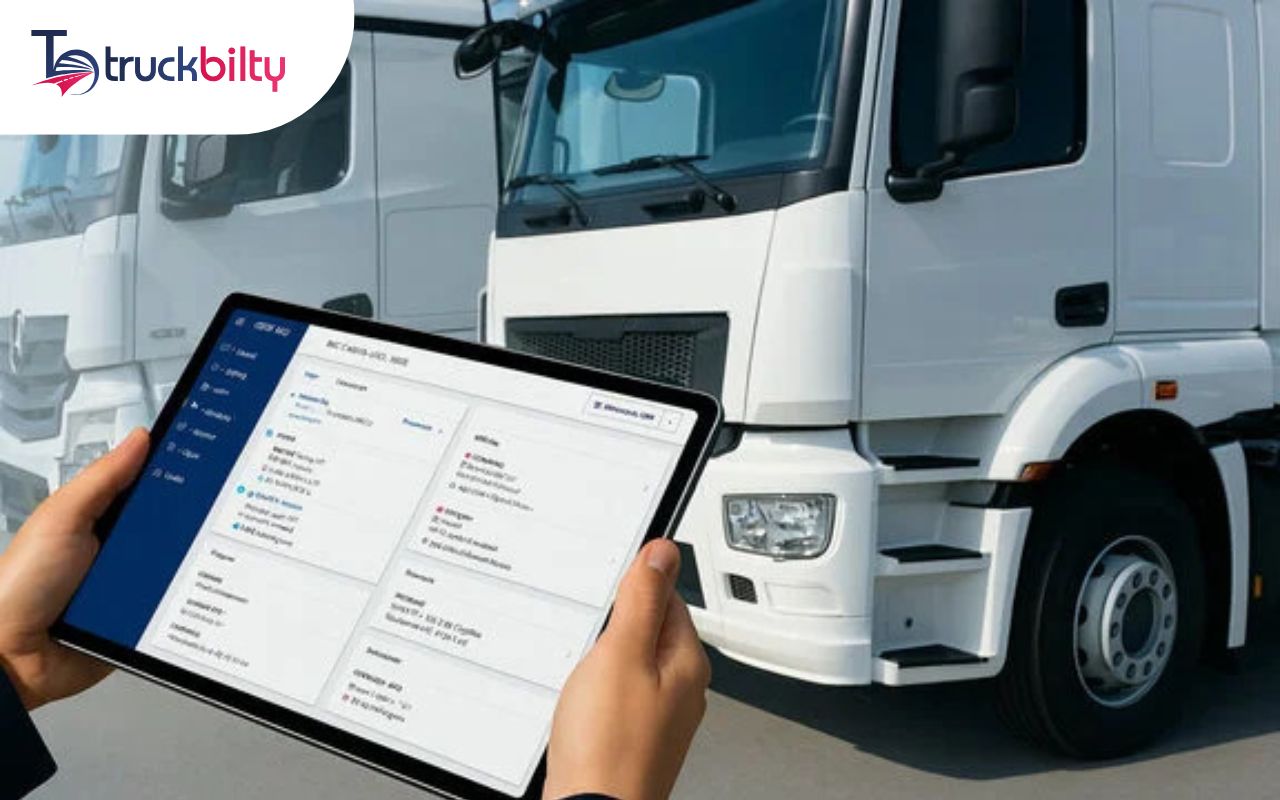
How GPS Tracking Improves Fleet Efficiency

GPS tracking systems are essential for modern fleet management, providing real-time visibility, reducing fuel consumption, and improving driver safety.
The Foundation of Modern Fleet Management
GPS tracking has evolved from a simple location service to a comprehensive fleet management solution that touches every aspect of transportation operations. Modern GPS systems do far more than show where vehicles are; they provide actionable insights that transform how fleets operate. Fleet managers can monitor vehicle performance, driver behavior, maintenance needs, and route efficiency from a single dashboard. This holistic view enables data-driven decision-making that improves both operational efficiency and bottom-line results. The technology has become so integral to fleet operations that many insurance companies offer significant premium discounts to fleets that implement GPS tracking, recognizing its impact on reducing accidents and theft.
Real-Time Asset Visibility
GPS trackers allow fleet managers to monitor the exact location of every vehicle, ensuring optimal route usage and preventing unauthorized stops. This visibility transforms customer service, enabling accurate delivery time estimates and proactive communication about delays. Dispatchers can respond to last-minute customer requests by identifying the nearest available vehicle, improving service levels without increasing fleet size. The system creates a digital breadcrumb trail that can be reviewed to verify service delivery, resolve disputes, and optimize future routes. Geofencing capabilities alert managers when vehicles enter or exit designated areas, useful for monitoring job site arrivals, preventing unauthorized vehicle use, and ensuring compliance with customer or regulatory requirements. Historical tracking data reveals patterns that help identify inefficiencies, such as drivers who consistently take longer routes or make unnecessary stops.
Reducing Fuel Costs
By identifying idling times and aggressive driving behaviors, GPS systems help reduce fuel waste significantly. Excessive idling can waste hundreds of gallons of fuel annually per vehicle, and GPS tracking makes this invisible waste visible. Modern systems measure exact idling time and can even distinguish between necessary idling (in traffic) and wasteful idling (leaving engines running during breaks). Aggressive driving behaviors like rapid acceleration, hard braking, and excessive speeding can increase fuel consumption by 30% or more. GPS tracking systems identify these behaviors and provide detailed reports that enable targeted driver coaching. Some systems gamify the process, creating friendly competition between drivers to achieve the best fuel efficiency scores. Fleet managers using GPS tracking for fuel management typically see 10-15% reduction in fuel costs within the first year, with some achieving even greater savings. Beyond driving behavior, GPS data helps optimize routes to minimize distance traveled, avoid traffic congestion, and reduce unnecessary trips.
Predictive Maintenance and Vehicle Health
Modern GPS tracking systems integrate with vehicle diagnostics to monitor engine performance, battery health, and maintenance schedules. This integration enables predictive maintenance strategies that address issues before they lead to breakdowns. The system can track mileage, engine hours, and other parameters to automatically schedule routine maintenance like oil changes, tire rotations, and inspections. Diagnostic trouble codes are transmitted in real-time, alerting fleet managers to check engine lights and other issues immediately. This proactive approach reduces roadside breakdowns, which are not only costly in terms of repair but also impact customer service and driver safety. Fleet managers can analyze maintenance data across the entire fleet to identify vehicles that require excessive repairs, informing decisions about when to retire and replace aging assets. The extended vehicle lifespan and reduced downtime resulting from predictive maintenance provide substantial return on investment.
Enhancing Driver Safety and Accountability
GPS tracking systems promote safer driving through accountability and targeted coaching. Speed alerts notify managers when drivers exceed posted limits or company policies, while harsh braking and acceleration reports identify risky driving patterns. Some systems include driver scorecards that rate performance across multiple safety metrics, creating visibility that encourages improvement. This data-driven approach to safety reduces accidents, lowers insurance costs, and protects both drivers and the public. Video integration takes safety to the next level, with dashcams that capture footage of incidents for training and exoneration purposes. In the event of an accident, GPS data provides objective evidence about vehicle speed, location, and movement that can be invaluable for insurance claims and legal proceedings. The presence of GPS tracking also deters theft and aids in vehicle recovery when theft does occur.
Measuring Return on Investment
The financial benefits of GPS tracking extend across multiple areas of fleet operations. Fuel savings alone often justify the investment, but when combined with reduced maintenance costs, lower insurance premiums, improved productivity, and enhanced customer service, the ROI becomes compelling. Most fleets see positive returns within 6-12 months of implementation. Beyond direct cost savings, GPS tracking enables better asset utilization, allowing companies to accomplish more with fewer vehicles. Improved route efficiency means drivers can complete more stops per day, increasing revenue without increasing fleet size. The data generated by GPS systems also supports continuous improvement initiatives, helping fleets become increasingly efficient over time. For companies considering GPS tracking, the question isn't whether the technology delivers value, but rather how quickly they can implement it to start realizing benefits.