Smart Logistics & The Future of Transportation
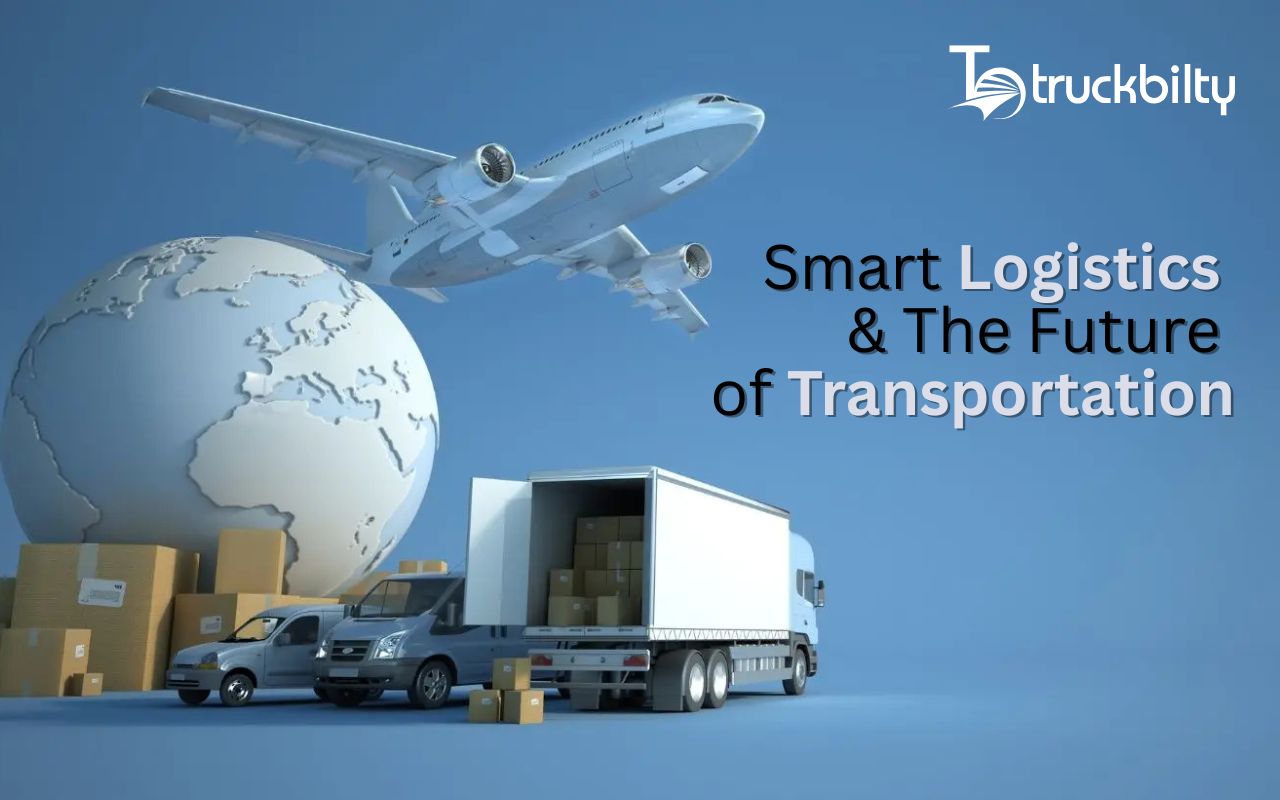
Smart logistics is redefining the transportation industry by integrating advanced digital technologies that enhance efficiency, visibility, and safety across the entire supply chain.
The Evolution of Smart Logistics
The integration of AI and IoT has transformed traditional freight into a data-driven powerhouse. Real-time tracking is no longer a luxury but a standard requirement for global trade. Over the past decade, we've witnessed a fundamental shift in how goods move across continents. Traditional logistics relied heavily on manual processes, phone calls, and paperwork that created bottlenecks and inefficiencies. Today's smart logistics ecosystem leverages interconnected devices, cloud computing, and machine learning algorithms to create a seamless flow of information alongside physical goods. Companies that embrace these technologies report up to 30% improvement in operational efficiency and significant reductions in delivery times. The transformation extends beyond mere tracking; it encompasses predictive maintenance, dynamic route optimization, and automated decision-making that adapts to changing conditions in real-time.
AI and Predictive Analytics
By analyzing historical data, AI can predict delays before they happen, allowing companies to reroute shipments and save millions in operational costs. Machine learning models process vast amounts of data from multiple sources including weather patterns, traffic conditions, port congestion, and historical delivery performance. These systems can identify patterns that human analysts might miss, providing early warnings about potential disruptions. For instance, if a particular route experiences delays during certain times of the year, the AI system can proactively suggest alternatives before problems arise. Advanced analytics also optimize load planning, ensuring trucks operate at maximum capacity while minimizing empty miles. Companies implementing AI-driven logistics solutions report cost savings of 15-25% annually, with some achieving even higher returns through improved customer satisfaction and reduced emergency expediting costs.
IoT Connectivity and Real-Time Monitoring
The Internet of Things has created an unprecedented level of visibility across the supply chain. Sensors attached to containers, pallets, and individual packages transmit continuous data about location, temperature, humidity, shock events, and other critical parameters. This granular visibility enables logistics managers to monitor shipments at every stage of the journey, from warehouse to final delivery. IoT devices can automatically alert stakeholders when conditions deviate from specified ranges, allowing for immediate corrective action. For temperature-sensitive goods like pharmaceuticals and perishables, this technology is invaluable in maintaining product integrity and compliance with regulatory requirements. The data collected by IoT devices also feeds into analytics platforms, creating a continuous improvement cycle that identifies inefficiencies and optimization opportunities.
Green Logistics & Sustainability
Smart routing doesn't just save time; it reduces carbon footprints. The future of logistics is not just fast, it's sustainable. Environmental consciousness has moved from a nice-to-have to a business imperative, driven by both regulatory requirements and customer expectations. Smart logistics technologies contribute to sustainability goals in multiple ways. Optimized routes reduce fuel consumption and emissions, while better load planning minimizes the number of trips required. Electric and hybrid vehicles are being integrated into fleets, supported by smart charging systems that optimize energy use and costs. Warehouses are adopting renewable energy sources and automated systems that reduce energy consumption. Digital documentation eliminates paper waste, while predictive maintenance extends vehicle lifespans and reduces the environmental impact of manufacturing replacement parts. Companies that prioritize green logistics are finding that sustainability and profitability go hand in hand, as efficiency improvements that reduce environmental impact also lower operational costs.
Implementation Challenges and Solutions
While the benefits of smart logistics are clear, implementation presents challenges that organizations must navigate. Initial investment costs can be substantial, requiring careful ROI analysis and phased rollout strategies. Integration with legacy systems often proves complex, necessitating middleware solutions and sometimes complete system overhauls. Change management is critical, as workforce adaptation to new technologies requires comprehensive training and support. Data security and privacy concerns must be addressed through robust cybersecurity measures and compliance with regulations like GDPR. Despite these hurdles, organizations that approach digital transformation strategically, starting with pilot projects and scaling based on proven results, find that the long-term benefits far outweigh the initial challenges. Partnerships with experienced technology providers can accelerate implementation and reduce risks.
Looking Ahead: The Next Frontier
The future of smart logistics promises even more revolutionary changes. Autonomous vehicles will handle long-haul routes, blockchain will provide immutable records of transactions and movements, and 5G connectivity will enable even more sophisticated real-time coordination. Augmented reality will assist warehouse workers and delivery personnel, while advanced AI will make increasingly complex decisions with minimal human intervention. Companies that invest in smart logistics today are positioning themselves for success in an increasingly competitive and demanding marketplace. The question is no longer whether to adopt these technologies, but how quickly organizations can implement them to maintain their competitive edge.