The Rise of Electric Trucks in India
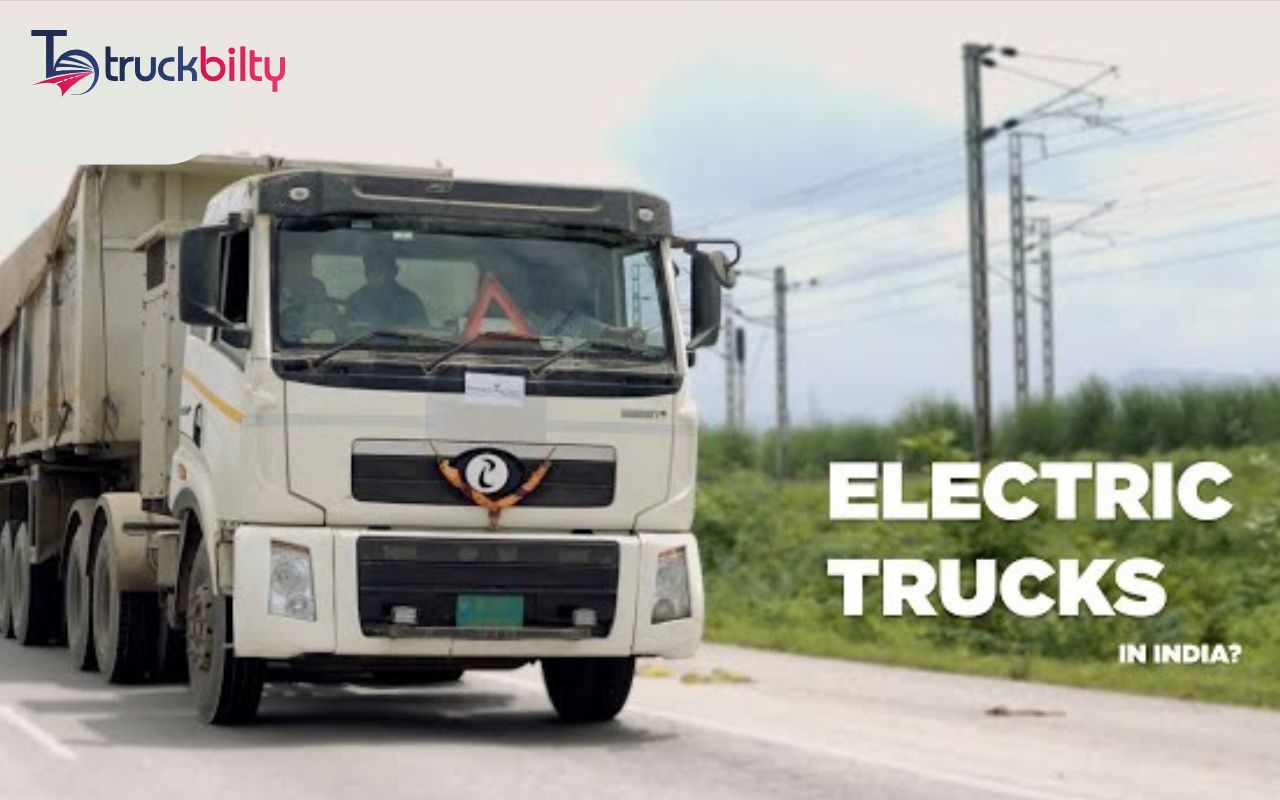
Electric vehicles (EVs) are making their way into the Indian logistics sector. Explore the benefits and challenges of adopting electric trucks.
India's Electric Transition
India's commitment to reducing carbon emissions and improving air quality has positioned electric vehicles as a cornerstone of the nation's transportation future. The government's ambitious targets include 30% electric vehicle penetration by 2030, supported by substantial policy incentives and infrastructure investments. The commercial vehicle sector, particularly last-mile delivery and intra-city logistics, presents ideal use cases for electrification given predictable routes and manageable daily ranges. Major cities implementing congestion pricing and low-emission zones create additional incentives for fleet electrification. Indian manufacturers and international companies alike are launching electric truck models tailored to local requirements and price points. Early adopters report positive experiences despite infrastructure challenges, signaling growing viability for broader adoption.
Benefits of Electric Trucks
Lower operating costs and zero tailpipe emissions make EVs an attractive option for last-mile delivery. Electric trucks cost significantly less to operate per kilometer than diesel equivalents, with electricity pricing 60-70% lower than diesel on an energy-equivalent basis. Maintenance costs drop dramatically due to fewer moving parts, no oil changes, and regenerative braking that extends brake life. Electric motors provide instant torque ideal for stop-and-go urban driving, improving driver experience and vehicle responsiveness. Silent operation reduces noise pollution, enabling early morning or late evening deliveries without disturbing residents. Zero emissions comply with increasingly strict air quality regulations and corporate sustainability commitments. Total cost of ownership analysis shows electric trucks becoming cost-competitive with diesel within 3-4 years despite higher purchase prices. Incentives including reduced road taxes, lower parking fees, and preferential access to restricted zones improve the business case. Battery costs continue declining while energy density improves, expanding the range of viable applications. Companies adopting electric fleets enhance their brand image and appeal to environmentally conscious customers and employees.
Charging Infrastructure
The growth of EV adoption relies heavily on the expansion of charging networks across major transport corridors. Range anxiety remains a primary concern for fleet operators considering electric vehicles, making charging infrastructure availability critical for adoption decisions. Private operators and government initiatives are rapidly expanding public charging networks, with thousands of stations planned across urban areas and highways. Depot charging at fleet facilities provides the most cost-effective solution for vehicles with predictable routes and home-base operations. Opportunity charging during loading and unloading operations extends effective range for vehicles making multiple stops. Fast charging technology continues improving, with 150+ kW chargers capable of adding significant range in 30-45 minutes. Smart charging systems optimize electricity costs by scheduling charging during off-peak periods when rates are lowest. Vehicle-to-grid technology may eventually allow trucks to sell power back to the grid, creating an additional revenue stream. Route planning software now incorporates charging station locations and vehicle range to ensure feasible route assignments. Partnerships between vehicle manufacturers, charge point operators, and fleet customers are emerging to ensure infrastructure keeps pace with vehicle deployments.
Policy Support and Incentives
Government policies play a crucial role in accelerating electric truck adoption through financial incentives and regulatory mandates. The FAME (Faster Adoption and Manufacturing of Electric Vehicles) scheme provides substantial subsidies reducing electric truck purchase prices. State governments offer additional incentives including road tax exemptions, registration fee waivers, and reduced electricity tariffs for vehicle charging. Priority funding for charging infrastructure development helps address range concerns. Green license plates provide visual identification and access to preferential lanes or zones. Corporate tax benefits reward companies investing in sustainable transportation. Public procurement policies increasingly favor electric vehicles, creating stable demand that encourages manufacturing investment. Emission standards continue tightening, making diesel vehicles more expensive to manufacture and operate. These combined policies create a favorable environment for electric truck adoption while supporting India's climate commitments and industrial development goals.
Overcoming Implementation Challenges
Despite compelling benefits, electric truck adoption faces several challenges that companies must navigate. Initial purchase prices remain 40-60% higher than diesel equivalents, requiring careful financial planning and potentially creative financing solutions. Limited vehicle model availability constrains choices, though this is rapidly improving as manufacturers expand offerings. Payload capacity can be reduced by battery weight, affecting operational economics for weight-sensitive applications. Range limitations make electric trucks unsuitable for long-haul operations with current technology. Driver training requirements differ from conventional vehicles, necessitating investment in education programs. Charging infrastructure gaps persist in many regions, particularly smaller cities and rural areas. Grid capacity constraints in some locations may limit simultaneous charging of multiple vehicles. Battery degradation over time affects residual values and total cost of ownership calculations. Supply chain challenges for batteries and components can impact delivery timelines. Despite these hurdles, early adopters are developing expertise and solutions that will smooth the path for followers. Strategic planning, pilot programs, and partnerships with experienced providers help mitigate risks during transition.
The Path Forward
The trajectory for electric trucks in India points toward accelerating adoption driven by improving economics, expanding infrastructure, and supportive policies. Battery technology advances promise lower costs, higher energy density, and faster charging in coming years. Manufacturing scale-up will reduce vehicle prices while expanding model availability across weight classes and applications. Charging networks will reach critical mass, eliminating infrastructure concerns for most urban and regional operations. Renewable energy integration will enhance the environmental benefits and potentially reduce operating costs further. As total cost of ownership increasingly favors electric options, adoption will accelerate from early adopters to mainstream fleets. Companies that begin transitioning now will gain operational experience and competitive advantages as the market evolves. The question for fleet operators is not whether to electrify, but when and how to begin the transition strategically.