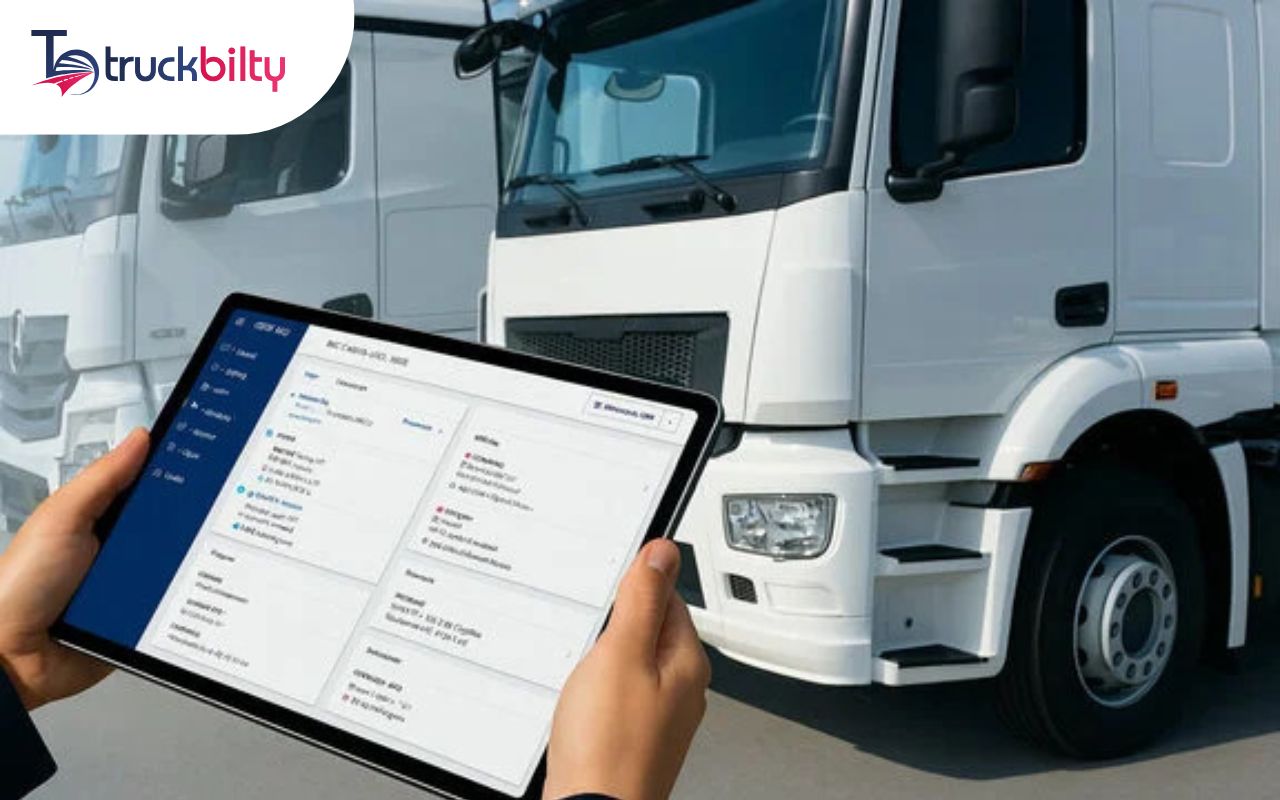
Reducing Fuel Costs with Smart Route Planning
Fuel is a major expense for any transport business. Learn how smart route planning software can help minimize mileage and fuel usage.
The Fuel Cost Challenge
Fuel typically represents 20-30% of total operating costs for transportation companies, making it one of the largest and most volatile expense categories. Unlike fixed costs like vehicle depreciation or insurance, fuel costs fluctuate with market prices and operational decisions, creating both risk and opportunity. Small improvements in fuel efficiency compound across fleets and time to generate substantial savings. A 10% reduction in fuel consumption for a mid-sized fleet can translate to hundreds of thousands of dollars in annual savings. Smart route planning addresses fuel costs from multiple angles: reducing unnecessary mileage, avoiding traffic congestion, optimizing speeds, and minimizing empty miles. The technology leverages algorithms, real-time data, and historical patterns to create routes that are both efficient and practical. As fuel prices remain subject to geopolitical and market forces beyond company control, optimizing consumption through intelligent routing becomes a crucial cost management strategy.
Optimizing Routes
Algorithms calculate the most efficient path, considering traffic, road conditions, and delivery windows. Modern route optimization goes far beyond simple point-to-point navigation, solving complex problems involving multiple stops, vehicle capacities, time windows, driver schedules, and customer priorities. The software evaluates millions of possible route combinations to identify solutions that minimize distance, time, and fuel consumption while meeting all constraints. Real-time traffic data enables dynamic rerouting around congestion, accidents, and road closures, preventing vehicles from sitting idle in traffic burning fuel. Historical traffic patterns inform route planning, avoiding roads that regularly experience congestion at certain times. Road grade and terrain analysis routes trucks away from steep hills that consume excessive fuel. The system can balance workload across drivers and ensure vehicles finish routes near their home base to minimize deadhead miles. Left-turn elimination, pioneered by major parcel carriers, reduces fuel wasted at intersections. Optimization algorithms continuously improve as they learn from actual route performance, identifying successful patterns and avoiding proven inefficiencies. Implementation requires quality address geocoding, accurate road network data, and integration with GPS tracking to provide feedback on actual versus planned performance.
Maximizing Load Efficiency
Empty or partially loaded vehicles represent one of the most significant sources of wasted fuel in transportation. Smart planning systems optimize load consolidation, combining shipments going to similar destinations to maximize vehicle utilization. Three-dimensional load planning ensures cargo fits efficiently within available space, allowing more goods per trip. Backhaul optimization identifies return loads to eliminate empty miles. Freight matching platforms connect carriers with available capacity to shippers with freight needs, reducing industry-wide empty miles. Cube utilization metrics track how effectively available space is being used, highlighting opportunities for improvement. Weight distribution optimization ensures loads are balanced for fuel efficiency and vehicle handling. The software can suggest vehicle selection based on freight characteristics, using smaller vehicles for light loads to avoid over-trucking. Implementing these strategies requires coordination between sales, operations, and dispatch functions, supported by technology that provides visibility and decision support. The fuel savings from improved load efficiency often exceed 10-15% for companies moving from reactive to optimized planning.
Proactive Maintenance
Well-maintained vehicles consume less fuel. Smart systems can schedule maintenance based on usage. Underinflated tires alone can reduce fuel economy by 3-5%, while dirty air filters, worn spark plugs, and improper wheel alignment each contribute to decreased efficiency. Predictive maintenance programs use vehicle data to identify issues before they significantly impact performance. Tire pressure monitoring systems alert drivers and maintenance staff to low pressure, enabling prompt correction. Oil analysis programs detect contamination and degradation early, preventing engine wear that reduces efficiency. Aerodynamic devices like side skirts and trailer tails can improve fuel economy by 5-10% but require proper maintenance to remain effective. Engine tuning and calibration optimize fuel injection and combustion for maximum efficiency. Regular maintenance extends vehicle life, reducing the total cost of ownership beyond just fuel savings. Mobile maintenance capabilities bring service to vehicles at customer locations, reducing deadhead miles to maintenance facilities. Maintenance management systems track service history, schedule preventive work, and ensure vehicles receive attention before small issues become major problems. The correlation between maintenance and fuel efficiency makes preventive programs an essential component of fuel cost management.
Driver Behavior and Training
Driver behavior significantly impacts fuel consumption, with variations of 20-30% between efficient and inefficient operators driving identical vehicles on similar routes. Aggressive acceleration, hard braking, excessive speeding, and extended idling all waste fuel unnecessarily. Telematics systems measure these behaviors in detail, providing objective data for coaching conversations. Driver scorecards create visibility and friendly competition, encouraging improvement. Training programs teach efficient techniques like gradual acceleration, maintaining steady speeds, anticipating traffic flow, and minimizing idling. Some systems provide real-time feedback to drivers through in-cab displays, reinforcing good habits immediately. Gamification elements like leaderboards and rewards programs make efficiency engaging rather than punitive. Speed limiters and cruise control encourage consistent, efficient speeds on highways. Understanding the reasons behind inefficient behaviors—tight schedules, aggressive customers, or inadequate training—allows targeted solutions beyond simple correction. Recognizing and rewarding top performers creates role models and demonstrates that efficiency is valued. The combination of technology, training, and culture change typically yields 10-15% improvement in fuel efficiency from behavior change alone.
Building an Integrated Technology Stack
Maximizing fuel savings requires integrating multiple technologies into a cohesive system. Route optimization software forms the foundation, but its effectiveness multiplies when combined with GPS tracking, telematics, maintenance management, and fuel card programs. Integration enables data to flow between systems, creating automated workflows and comprehensive analytics. Fuel card data feeds into accounting and route analysis, revealing actual consumption by route, driver, and vehicle. GPS tracking verifies route compliance and provides actuals for continuous algorithm improvement. Telematics data identifies efficiency opportunities through driver behavior and vehicle performance metrics. Dashboards consolidate information from all sources, providing actionable insights without requiring manual data compilation. Mobile apps give drivers access to route details, customer information, and navigation guidance. Cloud-based platforms ensure all stakeholders access current information regardless of location. API connections enable custom integrations with existing business systems like ERP and TMS. The technological sophistication required to fully leverage these tools continues to increase, but so do the benefits as systems become more intelligent and automated. Companies should approach technology adoption strategically, prioritizing integrations that deliver the highest ROI while building toward a comprehensive platform over time.