The Future of Warehouse Automation
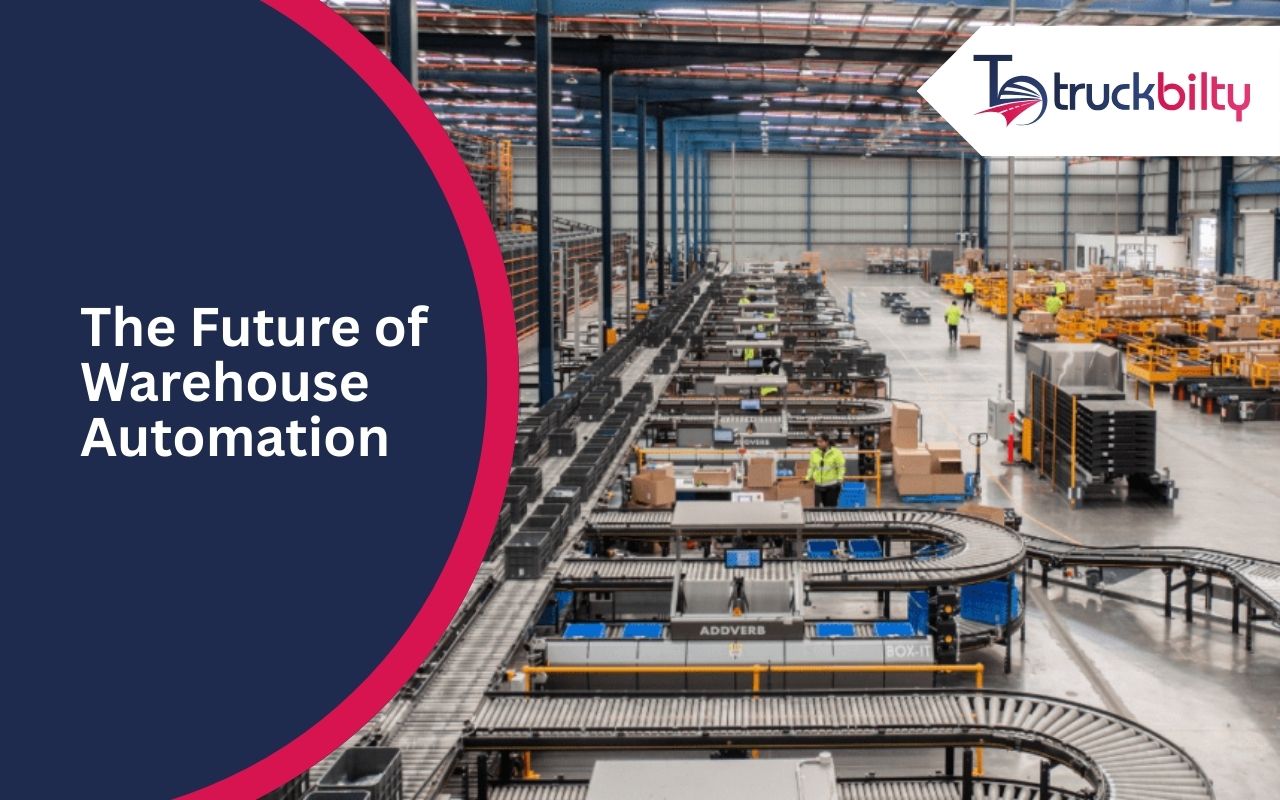
Robotics and AI are transforming warehouses into highly efficient fulfillment centers. Learn about the latest automation trends.
The Automation Revolution
Warehouse operations face mounting pressures from e-commerce growth, labor shortages, and customer demands for faster fulfillment. Traditional manual processes struggle to meet these challenges economically while maintaining accuracy and safety. Automation technologies ranging from simple conveyors to sophisticated autonomous robots offer solutions that dramatically improve productivity, accuracy, and working conditions. The business case for automation has strengthened as technology costs decline while labor costs and availability challenges intensify. Modern warehouses increasingly resemble high-tech factories where human workers and intelligent machines collaborate to achieve performance impossible for either alone. Companies implementing warehouse automation report 50-100% productivity improvements, 99.9%+ accuracy rates, and substantial cost reductions. The transformation extends beyond operational metrics to strategic capabilities, enabling business models like same-day delivery that manual operations cannot support economically. Understanding automation technologies and implementation strategies has become essential for supply chain leaders positioning their operations for future competitiveness.
Autonomous Mobile Robots (AMRs)
AMRs assist human workers by moving goods within the warehouse, increasing picking speed and accuracy. Unlike fixed conveyors or tracks, AMRs navigate dynamically using sensors and facility maps, adapting to changing layouts and obstacles. Collaborative robots work safely alongside humans without safety cages or dedicated zones. Goods-to-person systems bring inventory to stationary pickers, eliminating walking time that consumes 50-60% of picking labor. Travel time reduction allows pickers to process 3-4 times more orders per hour. Robotic picking systems handle individual items, though manipulation complexity currently limits applications to specific product types. Pallet-moving AMRs transport full pallets between storage and staging areas, eliminating forklift congestion. Sortation robots organize items for shipment, dramatically increasing throughput versus manual methods. Flexible deployment allows robot quantity to scale with demand, avoiding fixed automation overcapacity during slow periods. Cloud-based fleet management optimizes robot task allocation and traffic flow in real-time. Battery swapping or opportunity charging maintains continuous operation. Software updates add capabilities without hardware changes as technology improves. Return on investment typically ranges from 2-4 years depending on application and volume. Implementation requires facility WiFi infrastructure, charging stations, and workflow redesign to leverage robot capabilities fully.
Warehouse Management Systems
Modern WMS integrate with automation hardware to optimize inventory flow and space utilization. Real-time inventory visibility eliminates stock discrepancies that plague manual tracking systems. Slotting optimization places fast-moving items in accessible locations while positioning slow movers appropriately. Wave planning batches orders to maximize picking efficiency and minimize travel. Task interleaving assigns workers multiple tasks during a single trip to eliminate empty travel. Dynamic put away assigns incoming inventory to optimal locations based on current conditions rather than fixed rules. Cycle counting programs maintain inventory accuracy through continuous sampling versus annual physical counts. Cross-docking capabilities move goods directly from receiving to shipping without storage for time-sensitive inventory. Returns processing workflows handle reverse logistics efficiently, a growing challenge in e-commerce. Labor management systems track productivity and allocate work evenly across workers. Predictive analytics forecast workload and optimize staffing levels. Integration with transportation systems enables efficient loading and shipping coordination. Yard management features optimize trailer staging and dock door assignment. The WMS serves as the nervous system coordinating human workers, robots, and material handling systems into an orchestrated operation. Cloud-based WMS solutions reduce implementation cost and time while providing regular feature upgrades.
Advanced Picking Technologies
Picking represents the most labor-intensive warehouse activity, making it a primary automation target. Voice-directed picking provides hands-free, eyes-free operation through audio instructions and verbal confirmations. Pick-to-light systems use illuminated displays to guide workers to correct locations, reducing errors and training time. Augmented reality smart glasses overlay digital information on physical environment, guiding workers optimally. Collaborative robots work alongside pickers, handling heavy lifting or transportation while humans provide dexterity. Vision systems verify pick accuracy automatically, catching errors before they reach customers. Automated storage and retrieval systems (AS/RS) maximize vertical space utilization while automating put-away and retrieval. Shuttle systems move inventory automatically in dense storage configurations. Mobile racking systems eliminate wasted aisle space, maximizing storage density where access frequency permits. Zone picking assigns workers to specific areas, developing location familiarity that improves speed. Batch picking collects multiple orders simultaneously, amortizing travel across picks. Pick-and-pass systems move orders between zones, allowing specialization and balanced workload. Wave picking groups orders with similar characteristics for efficient processing. The optimal picking method depends on order profile, inventory characteristics, and volume, often requiring multiple approaches within a single facility.